
The Challenge
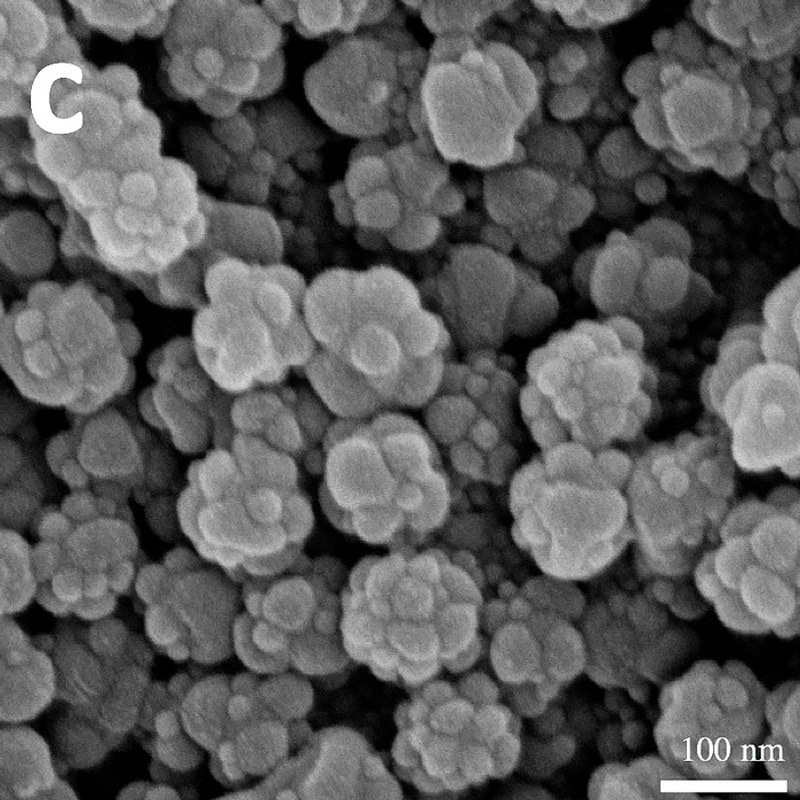
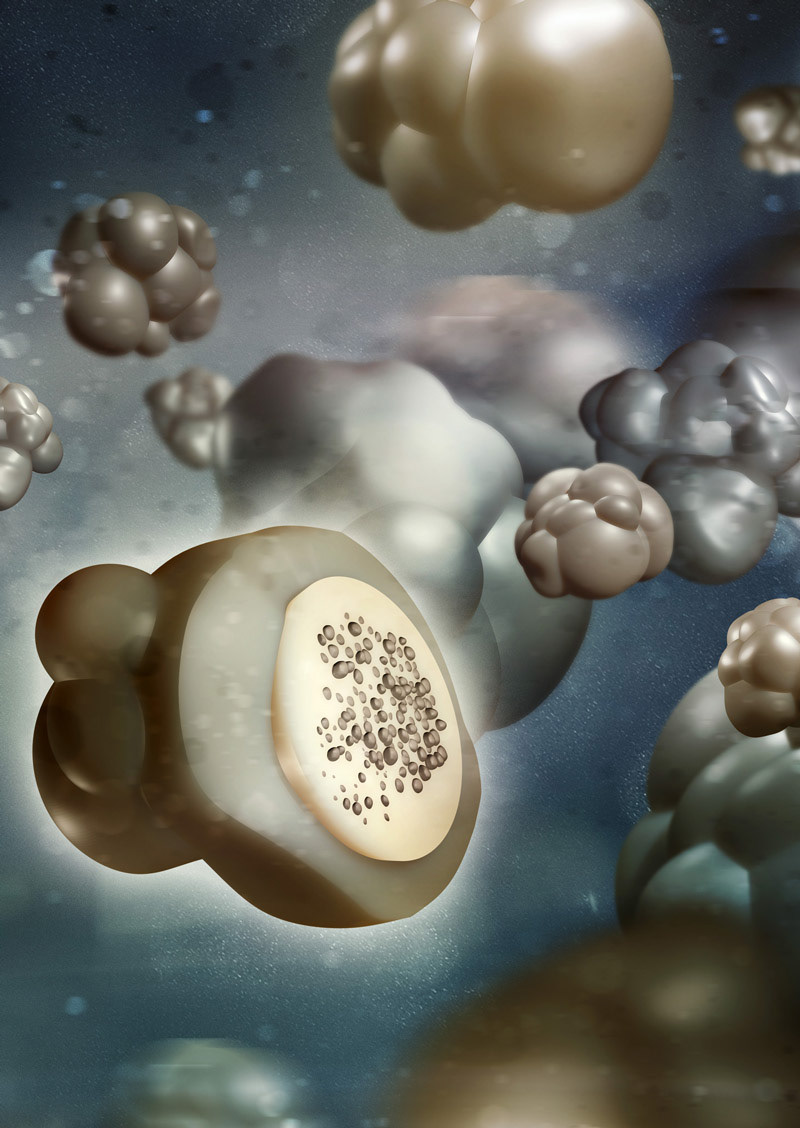
I’ve been approached by the EAWAG institute, researching the microplastic waste in the environment. In order to better study the issue, the researches created special nanoplastics in the lab, and mixed them with waste sewage, to see how much might be removed during waste water treatment. In order to better study these special nanoplastics, the researchers embedded rare metals in them, so that they could be better measured. The commissioned illustration was to show off these unique plastics and how they might look in the waste water matrix. For reference, I’ve been provided with the microscopic blow-up of the nanoplastics shown below.
The Approach
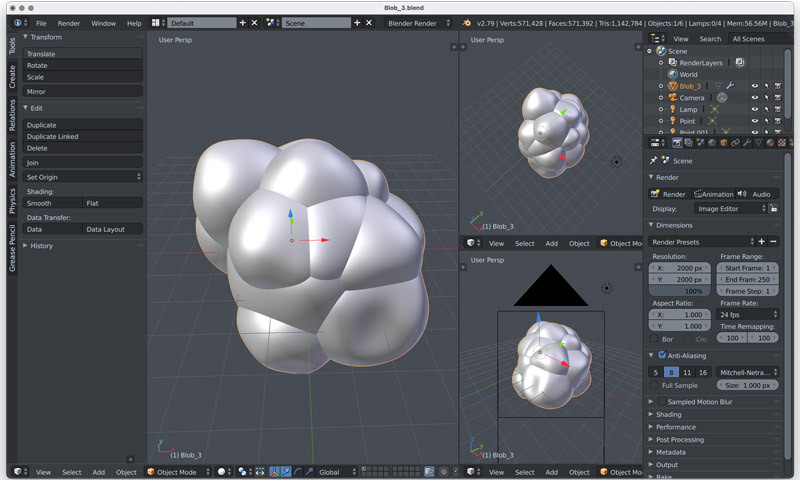
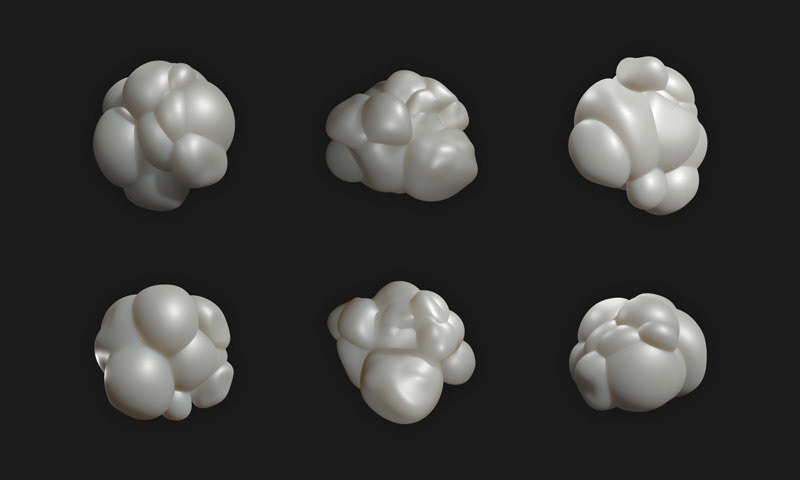
I’ve created several unique 3-D microplastic particle models. Following the researchers’ suggestions, I’ve added realistic shading and realistic and textures.
The researchers also wished to show a cross section of the particle containing metal embedded within its core.
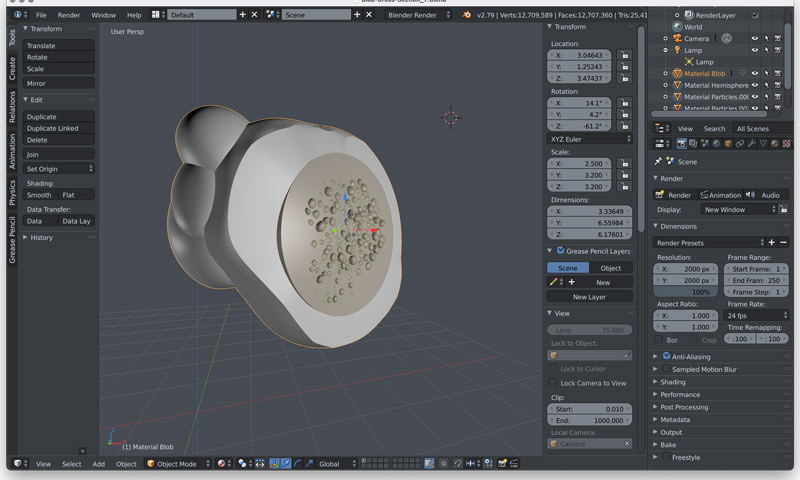
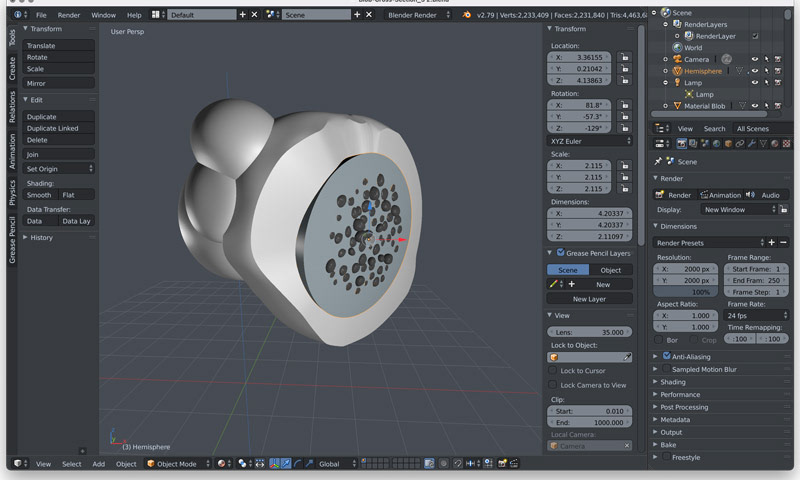
Once we had the array of particles to choose from, I’ve taken various photographs of contaminated water, with different lighting conditions.





Several composites were then created and presented to the client for approval. The composites contained varied amount of water pollution, particulate matter, different cross-sections and depth.
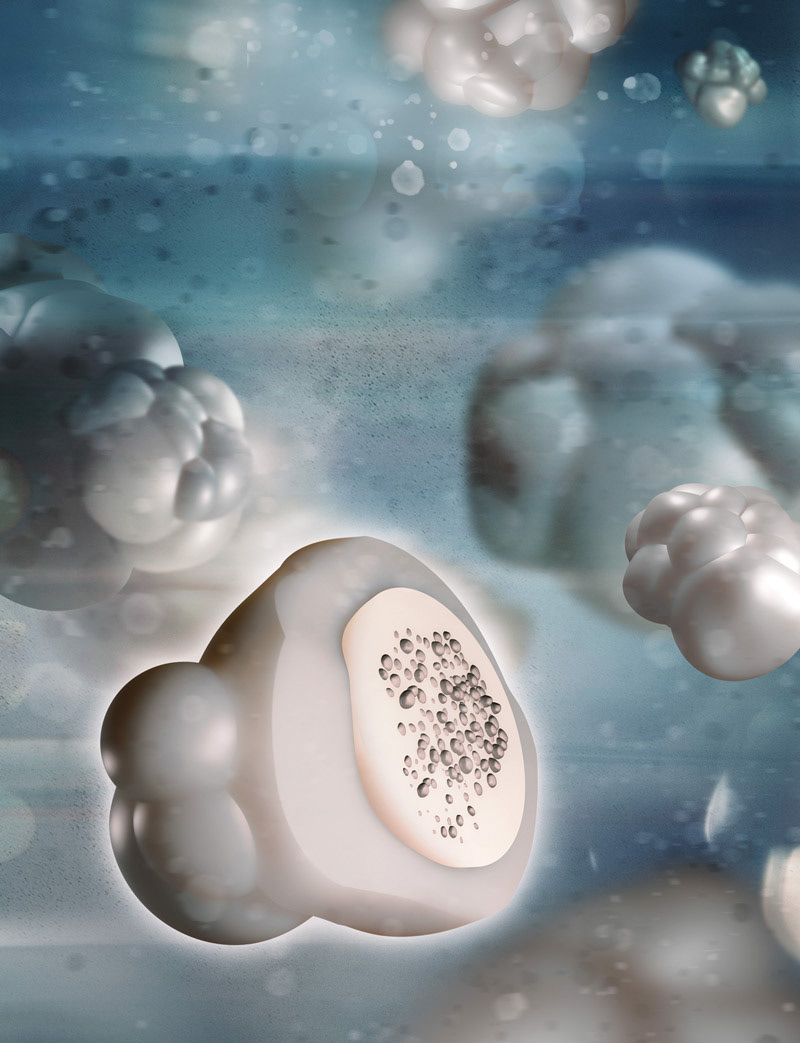
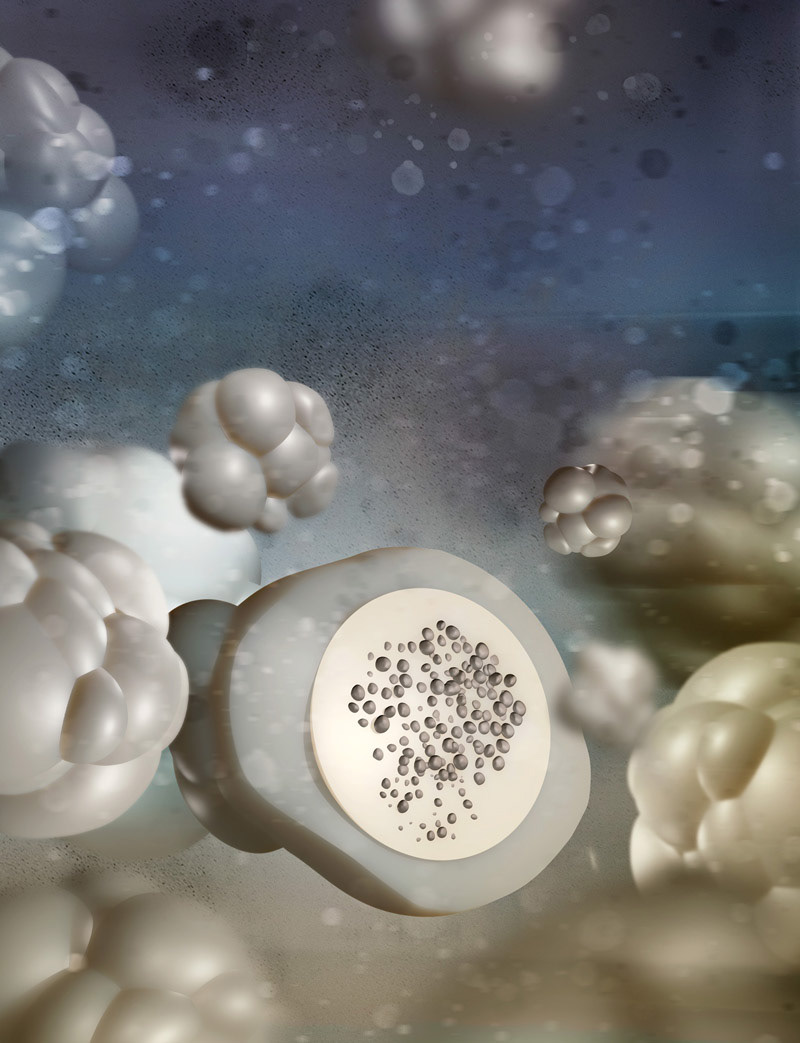
The End Result
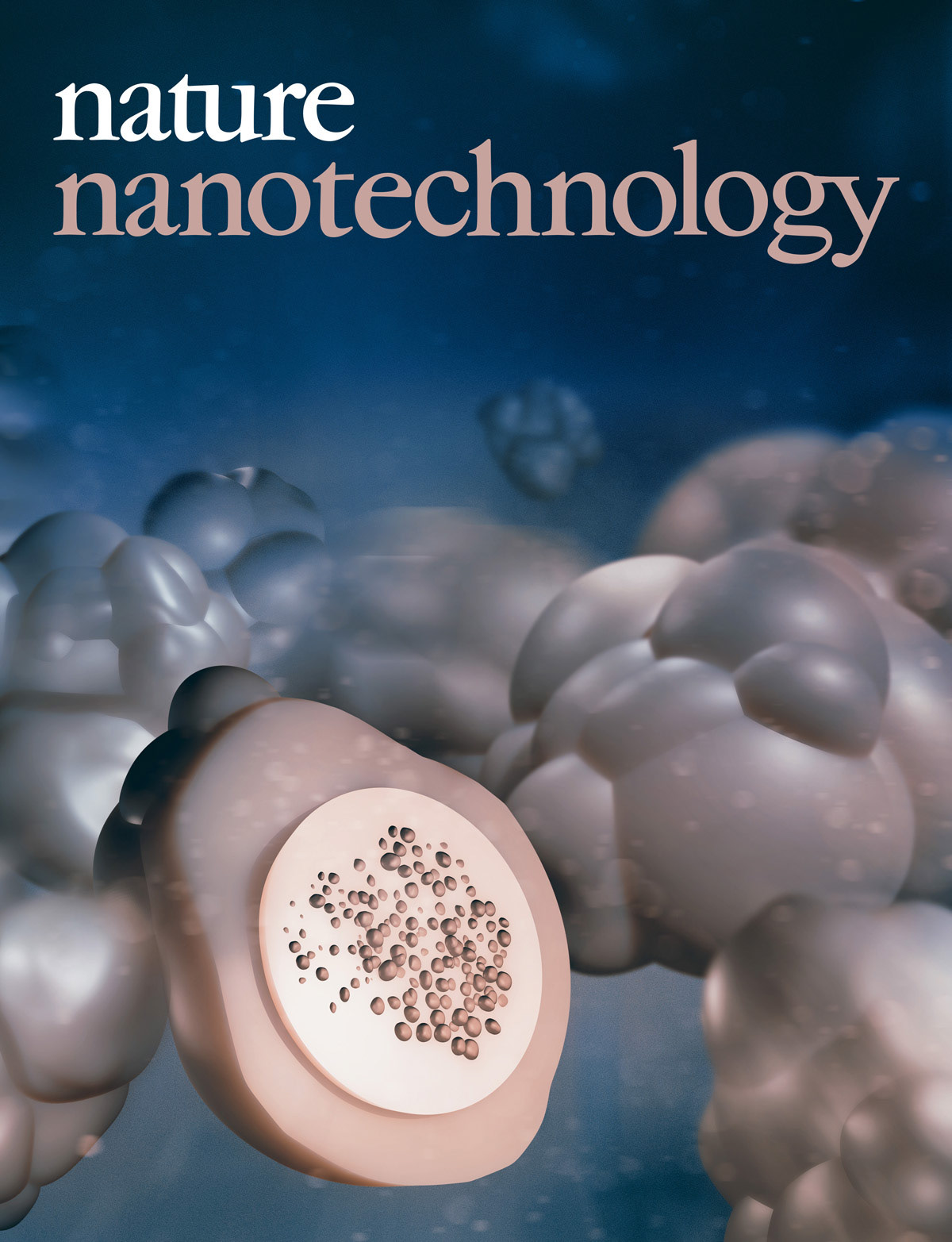
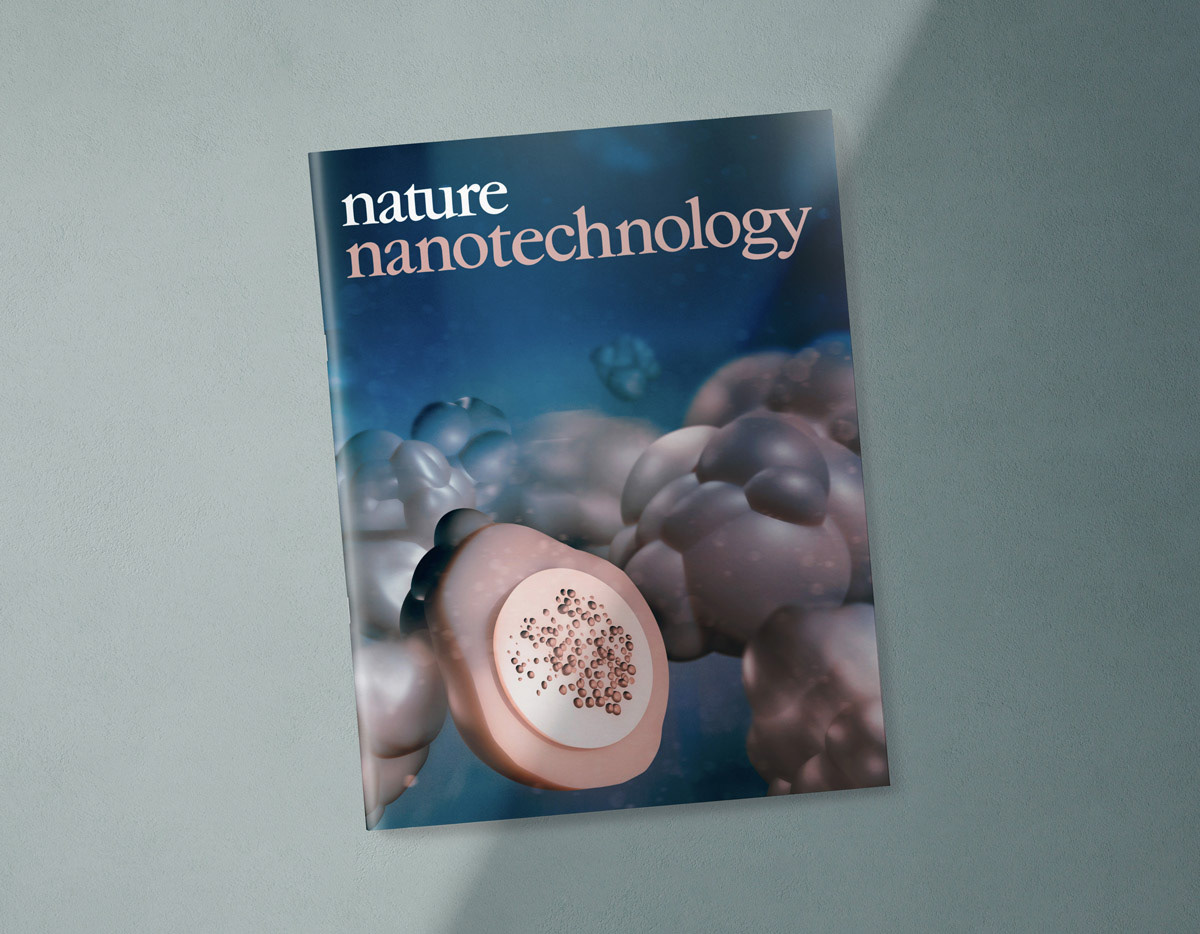
The final image was approved and made the Nature Nanotechnology cover